
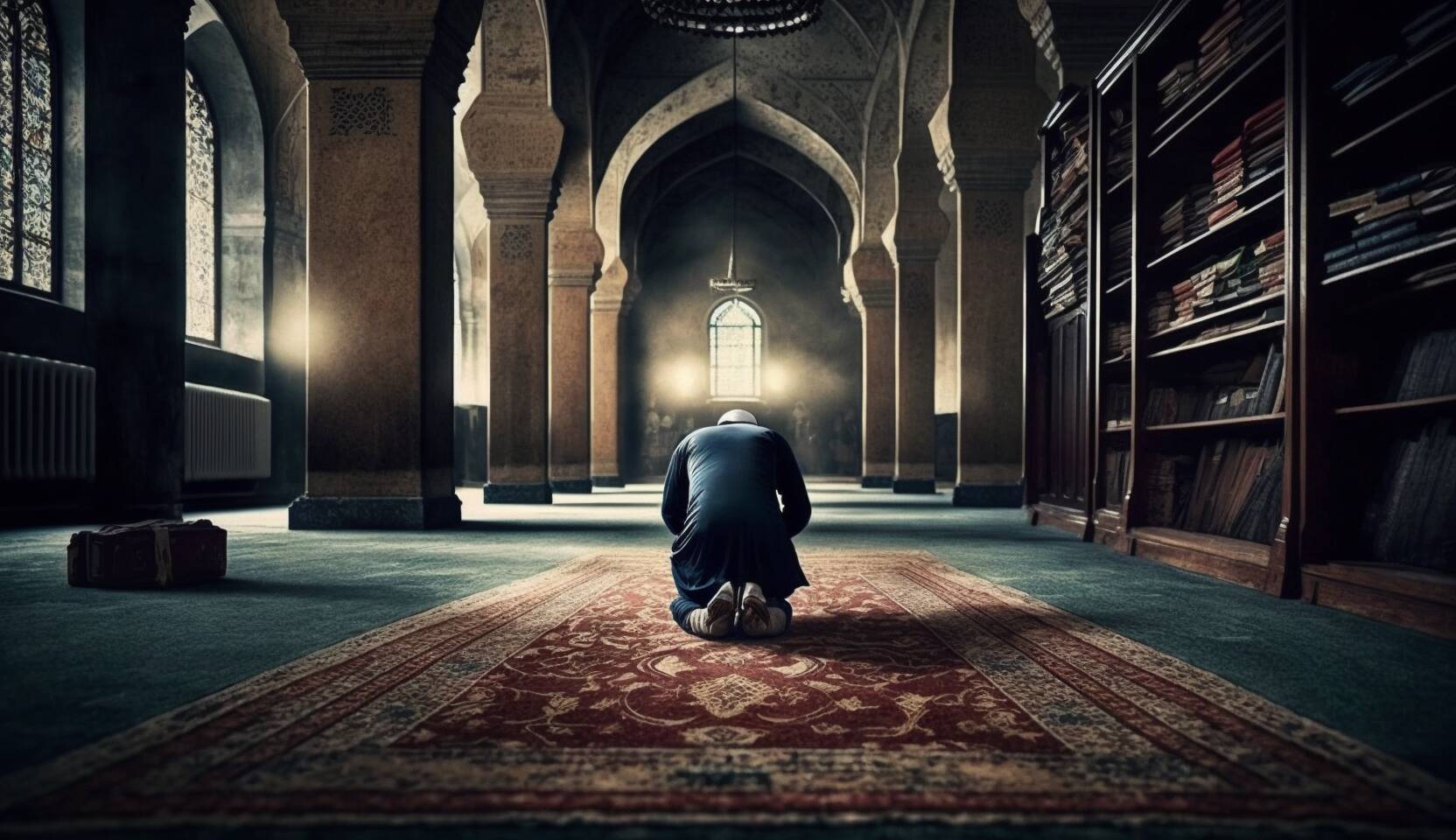
At some point, every Muslim has experienced the deep yearning to connect with their Creator — whether to lay out their heart, to seek direction, or relief in times of distress. The holy act of spiritual connection, called “Dua,” is much more than prayer, it is an authentic reflection of the state of a servant before their Lord.
Understanding the Definition of Dua
The Arabic word “Dua” literally means to call or to invoke. When we make dua, we are bringing to light our human limitations, and calling to Allah (SWT) — the most Powerful, the All-Knowing — in response to His aid and mercy. It demonstrates our humility and reliance.
“And your Lord says, “Call upon me; I will respond to you.”
But why does the Creator of the heavens and the earth — Who knows what we need, invite us to ask him?
The answer to this is contained within the spiritual wisdom of dua. When we call upon Allah, we are acknowledging our servitude and confirming His greatness. Dua has less to do with asking, and more to do with connecting, surrendering to deity, and confirmation of faith that Allah is the One who controls all affairs.
Understanding the Range of Dua
One of the most beautiful things about dua is its extensive range. It is not exclusively prayer for something specific in the form of relief or material request, but it includes all aspects of what it is to be human: gratitude, guidance, forgiveness, patience, and beyond.
In the Quran, the Prophets (peace be upon them) made dua for strength, mercy, and perseverance in steadfastness in various circumstances.
For example:
“They said, ‘Our Lord! Do not let our hearts stray after You have guided us. And grant us mercy from Yourself, for You are the Bestower.’”
This particular dua beautifully expresses a believer’s desire to have their heart remain firm on the path of truth and to earnestly ask of Allah for his mercy.
The Miraculous nature of dua
Dua can change destinies. Allah has predetermined everything with ultimate wisdom, but dua is the channel that leads to divine intervention and His mercy.
“The dua is the soul of the ibaada.”
This hadith reminds us that dua is not a secondary act; dua is the soul of ibaada (worship).
You can’t avoid life’s trials, but dua will give you spiritual strength. It can be a shield from hardship, a comfort when you feel alone, or hope when everything else is lost. Each sincere dua when uttered in the still of night or accompanied by tears is heard by Allah, even when we don’t see the effect immediately.
Understanding Acceptance
Many believers experience the common struggle of feeling unsure if their dua will be accepted. Waiting and testing our patience is part of the process of faith and we must rely on Allah’s timeline and wisdom.
- He could be granting exactly what we’ve asked for.
- He could be diverting a harm that was meant for us.
- He could be saving the reward for us in the Hereafter.
Sometimes a delay can feel like a denial, or maybe a divine protection or preparation for something better. Faith is the belief that, however long it takes and whatever shape it takes, Allah’s will is for our ultimate good.
Conclusion
Dua is more than words; it is a dialogue with the Divine. It nourishes the soul, strengthens faith, and reminds us of the Divine’s presence – one is never alone. In dua, one transfers their worries to the One who literally controls the entire universe and the heart finds rest seeing that (He) listens, always.
So next time your heart has weight in it or your pathway is uncertain, lift your hands, not in despair, but in hope, and call on your Lord.
Because the QuranGPT says in every dua, there is a bridge to Allah’s mercy and in every whisper a promise He is always nearby.