
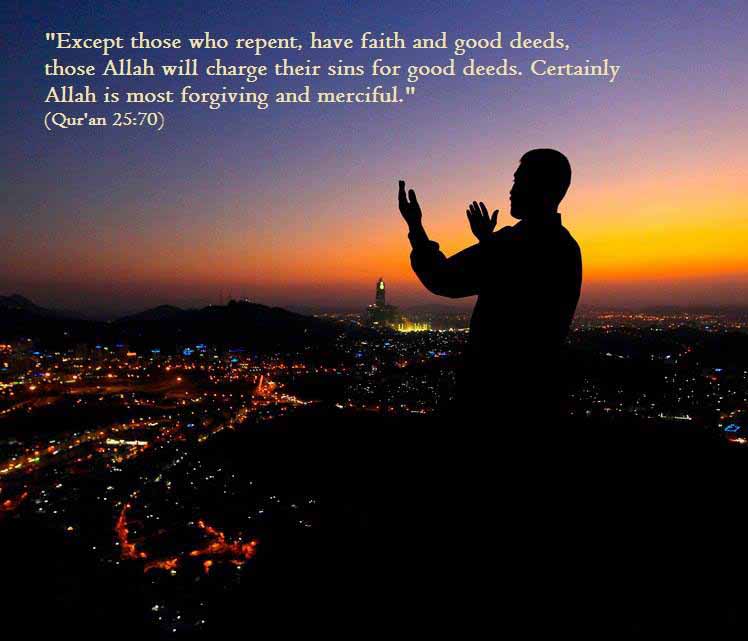
Forgiveness is an essential and powerful theme of the Quran. It is more than a moral act; it is a commandment by Allah that reflects His infinite mercy. Forgiveness in Islam not only aims to define our relationship with Allah but also serve as the foundation of our relationships with others. QuranGPT says forgiveness means that we achieve peace and unity that leads to spiritual maturity.
Allah’s Mercy is Greater than Our Sins
One of the most comforting messages of the Quran is that Allah’s mercy exceeds our sins. No matter how imperfect we are in our actions, His doors of forgiveness are always opening.
The Quran beautifully reminds us:
“Say, O My servants who have believed, do not despair of the mercy of Allah. Indeed, Allah forgives all sins. Indeed, it is He who is the Forgiving, the Merciful.” (Surah Al-Zumar (39:53))
This verse confirms that no sin is too large for Allah to forgive. The Quran encourages believers to never give up hope, and instead to turn back to Allah sincerely and with repentance. His mercy encompasses all things and His forgiveness is always available to those who ask for it.
The Significance of Forgiving Others
Just as we seek forgiveness from Allah, Islam teaches us to forgive others. Life provides us with lots of conflicts, pain, and misunderstandings. Forgiveness helps to provide peace and restores harmony.
The Quran beautifully reminds us:
“…And let them pardon and overlook. Would you not like that Allah should forgive you? And Allah is Forgiving and Merciful.” (Surah An-Nur (24:22))
Forgiveness is seen as a moral choice, but also as a spiritual exchange, we forgive others in hopes of receiving forgiveness from Allah. When we release the baggage of resentment, it allows us to experience compassion, unity, and gifts from Allah.
Repentance and Forgiveness
Forgiveness and repentance are inseparable in Islam. The Quran frequently instructs us to seek forgiveness from Allah and change our behavior.
The Quran beautifully reminds us:
“And those who, when they commit an act of lewdness or wrong themselves [by way of sin], they remember Allah and seek forgiveness for their sins — and who forgives sins other than Allah? — and who do not persist in what they have done while they know it is wrong.” (Surah Aal-Imran (3:135))
Repentance is a process of recognizing and regretting our transgressions while recognizing that we need to refrain from repeating mistakes. It is a commitment to a cleansing of the heart and a return to righteousness. Allah loves, and promises to forgive, those who embrace His encouragements to turn back to Him in sincerity.
Patience and Forgiveness
Forgiveness can be one of life’s most difficult tests — especially when we are profoundly harmed. However, the Quran’s perspective is that both patience and forgiveness are signs of strength and virtue.
The Quran beautifully reminds us:
“And whoever is patient and forgives – Indeed, that is of the matters [worthy] of resolve.” (Surah Ash-Shura (42:43))
This verse does not shy away from the difficult and emotional work of forgiveness, but instead it raises forgiveness to a symbol of moral strength. Choosing forgiveness instead of revenge requires us to rise above anger, and to embody the qualities of mercy and patience that Allah loves.
Forgiveness on the Day of Judgment
Forgiveness is not only for this life — it has great significance in the Hereafter. As Allah has stated, among the truly successful on the Day of Reckoning will be the one who comes with a heart that is pure from animosity and resentment.
The Quran beautifully reminds us:
“On that Day, wealth will not avail, nor will children. Only he who comes to Allah with a sound heart.” (Surah Ash-Shu’ara (26:88–89))
A “sound heart” is a heart that is purified by forgiveness —a heart that sought forgiveness from Allah and gave forgiveness to others. To forgive in this life is the preparation of our souls for the endless peace of the next.
Conclusion: Forgiveness – A Roadway to Serenity and God’s Mercy
Forgiveness is, in both a divine bestowal and a human responsibility, part of the framework of the Quran. In other words, the mercy of Allah is infinite and provides hope to every believer who truly repents. However, Islam also calls on us to reflect that mercy by forgiving others, creating compassion, unity, and peace in our hearts and communities.
Forgiveness is not a form of weakness rather it is a sign of faith, strength, and spiritual maturity. When we forgive others, we free ourselves from the pang of bitterness and come closer to the infinite mercy of Allah.